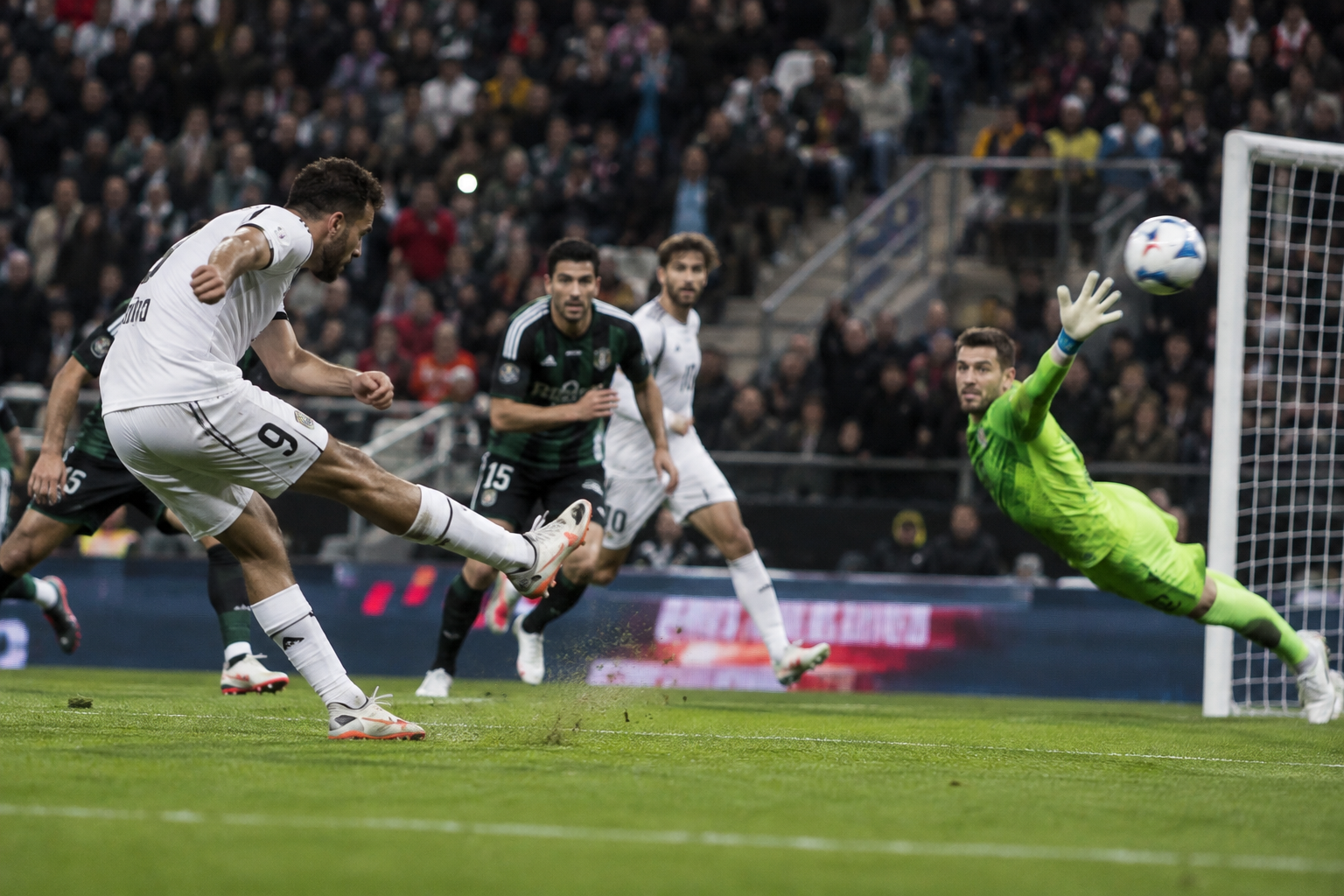
Football seasons are rarely defined by results alone. A single goal can change the direction of a title race, revive a struggling team’s confidence or turn an overlooked player into the subject of international attention. These moments become part of the wider conversation surrounding the sport, connecting the drama of individual matches with the longer stories unfolding across leagues and competitions. For supporters who want to follow those developments, access to football goals and highlights offers a way to revisit decisive incidents while keeping them in the context of the game’s evolving narrative.
Yet the significance of a goal is not always obvious at the moment it happens. A spectacular finish may dominate the evening’s discussion, but a less dramatic strike could prove more consequential several weeks later. Understanding football requires looking beyond the immediate celebration and considering the circumstances that gave the moment its importance.
A Goal Is Often the Beginning of a Larger Story
The scoreboard records what happened, but it does not explain everything that led to it. A goal in the opening minutes may force one team to abandon its original plan, while a late equaliser can expose the psychological pressure affecting a side that had been defending a narrow advantage. The same type of finish can therefore carry very different meanings depending on the match situation.
This is one reason football analysis has become increasingly attentive to context. Supporters are interested not only in who scored, but also in how the opportunity emerged, which tactical decisions made it possible and what the result means for the teams involved. A forward finding space between two defenders may be demonstrating an individual skill, but the movement could also reveal a weakness in the opposition’s defensive structure.
The moments that appear simple on a replay often contain several layers of decision-making. A midfielder may have recognised an opening before anyone else, a full-back may have created an unexpected passing angle, or a striker may have delayed a run to avoid being caught offside. The final touch receives the applause, yet the goal may have been constructed through a sequence of contributions that began much earlier.
Why Timing Changes the Meaning of a Finish
A goal scored in the first ten minutes and one scored during stoppage time can look identical in technical terms. Their emotional and strategic consequences, however, are rarely the same.
An early strike can provide a team with room to control the tempo. Players may become more patient in possession, choose safer passing options and invite the opposition to take greater risks. For the team that falls behind, the challenge becomes more complicated. It must create attacking opportunities without leaving excessive space for counterattacks.
A late goal can produce an entirely different kind of drama. When a match is approaching its conclusion, fatigue and concentration become decisive factors. Defensive lines may lose their organisation, individual duels become harder to win and a single misplaced pass can create an opportunity that would have been less likely earlier in the contest.
The importance of timing also extends beyond the ninety minutes. A decisive goal in a cup tie can influence the approach to the return leg. A winner in a direct encounter between title contenders may alter the psychological balance of a league campaign. Even a consolation goal can matter if it improves a team’s aggregate position or preserves confidence after a difficult performance.
The Tactical Work Hidden Behind Spectacular Finishes
Supporters naturally remember powerful shots, precise volleys and skilful individual runs. These are the moments most likely to appear in short highlight packages, but the tactical preparation behind them deserves equal attention.
Modern attacking football is built around movement, spacing and coordinated decisions. Teams frequently use overlapping runs to stretch defensive formations, create numerical advantages in wide areas or draw defenders away from central spaces. A goal that appears to result from a simple cross may actually be the conclusion of a carefully rehearsed pattern involving several players.
Pressing can be just as important. When an attacking team wins possession high up the pitch, the opposition may have little time to reorganise. The resulting chance can look effortless because the most difficult work has already taken place: forcing a mistake, anticipating the loose ball and moving quickly into the space left behind.
Set pieces provide another example of preparation turning into a decisive moment. Corners and free kicks allow teams to exploit specific defensive habits through planned movement and delivery. A short corner may be designed to create a better crossing angle, while a near-post run can pull defenders away from the intended target. Replays help reveal these details, making it easier to understand why certain teams consistently create danger from dead-ball situations.
Individual Brilliance Within a Collective Game
Football celebrates individual achievement, but even the most memorable goals usually emerge from a relationship between personal ability and collective organisation.
A striker may produce an exceptional finish under pressure, yet the chance might depend on a teammate’s intelligent movement. A winger can beat several opponents, but the attack becomes more effective when midfielders recognise the opportunity and provide supporting options. The quality of the final action matters, although its value is often shaped by the decisions surrounding it.
This balance is particularly interesting when assessing young players. A promising forward may attract attention after scoring several impressive goals, but a broader evaluation considers movement without the ball, awareness of teammates and consistency in different match situations. A player who contributes to the structure of an attack can be valuable even when the final pass or shot belongs to someone else.
The same principle applies to established stars. Their influence is not limited to the number of goals they score. Some forwards create space for others, some midfielders control the rhythm of attacking transitions, and some defenders initiate dangerous moves with accurate long passes. Looking at the full sequence helps supporters appreciate contributions that conventional statistics may not fully capture.
How Replays Help Explain Controversial Decisions
Not every important moment ends with celebration. Some become the centre of debate because of an offside call, a possible handball, a disputed penalty or an incident involving contact between players.
Modern broadcasts offer several camera angles and repeated footage, giving viewers more information than was available to spectators inside the stadium. However, additional images do not always produce immediate agreement. The speed of an incident, the position of the camera and the interpretation of the rules can all influence how a replay is understood.
Offside decisions are a clear example. A forward may appear to be level with the defensive line from one camera angle and marginally ahead from another. Slow-motion footage can clarify body positioning, while calibrated technology may provide a more precise reference point where it is available. Even then, discussions can continue about the interpretation of particular situations and the practical effect of the rules.
Replays also encourage more informed conversations about refereeing. Rather than relying entirely on the first impression, supporters can examine the sequence leading up to a decision. This does not mean that every disagreement will disappear. It does, however, create an opportunity to discuss the reasons behind a ruling rather than focusing only on the emotional reaction it produces.
From One Match to the Wider Football Conversation
The influence of a decisive moment rarely ends when the final whistle sounds. Coaches may discuss it during post-match interviews, analysts may use it to explain tactical changes, and journalists may examine its consequences for the next stage of a competition.
A goal scored by a player returning from injury can become part of a story about recovery and renewed confidence. A young substitute who changes a match may raise questions about the manager’s future selection choices. An unexpected defensive mistake can lead to closer scrutiny of a club’s recruitment priorities or its approach to building attacks from the back.
These connections make football news more than a record of completed fixtures. The sport develops through a continuous exchange between performances, decisions and reactions. Match footage provides the evidence, while reporting and analysis help place that evidence within a broader sporting context.
For supporters, this creates a more complete way to follow a season. Instead of treating each result as an isolated event, they can recognise recurring patterns: a team improving its pressing, a forward becoming more consistent, or a manager adapting the formation after a difficult run of matches. Individual goals become reference points in a much larger story.
The Changing Way Supporters Revisit the Game
Digital media has transformed how football moments are consumed. In the past, many viewers depended on television broadcasts, newspaper reports or scheduled sports programmes to see important incidents again. Today, match-related content can circulate across multiple platforms shortly after the action takes place.
This faster rhythm has changed expectations. Supporters often want to understand a decisive moment while the discussion is still developing. They may watch a goal again to examine the build-up, compare different interpretations of a controversial decision or see how a particular player performed during a crucial passage of play.
The convenience of short-form video has also made football more accessible to people who cannot follow every full match. A carefully selected sequence can communicate the intensity of a contest and introduce viewers to its defining incidents. Nevertheless, short clips have limitations. They may omit the defensive organisation, substitutions or tactical adjustments that shaped the action.
The most rewarding approach combines quick access with curiosity. A replay can provide the immediate excitement, while broader reporting explains what happened before and after it. Together, these perspectives help supporters move from simply watching football to understanding its changing dynamics.
The Moments Worth Remembering
Every football season produces goals that remain in the memory for different reasons. Some are remembered for extraordinary technique, others for the importance of the result, and many for the unexpected circumstances surrounding them. A finish in a quiet mid-season fixture may later become essential to a club’s survival, while a famous strike in a major final can define an entire generation of supporters.
What makes these moments enduring is the combination of sporting quality and human meaning. Behind every goal are decisions made under pressure, preparation carried out away from public view and emotions that can change in a matter of seconds. Revisiting the action allows those details to emerge, revealing why certain passages of play matter long after the original match has ended.
Football is constantly moving forward, but its most important moments deserve more than a passing glance. When supporters look closely at the action and the stories surrounding it, every goal becomes part of a richer understanding of the game.